Clapham Road upholstery cleaning for period properties SW9
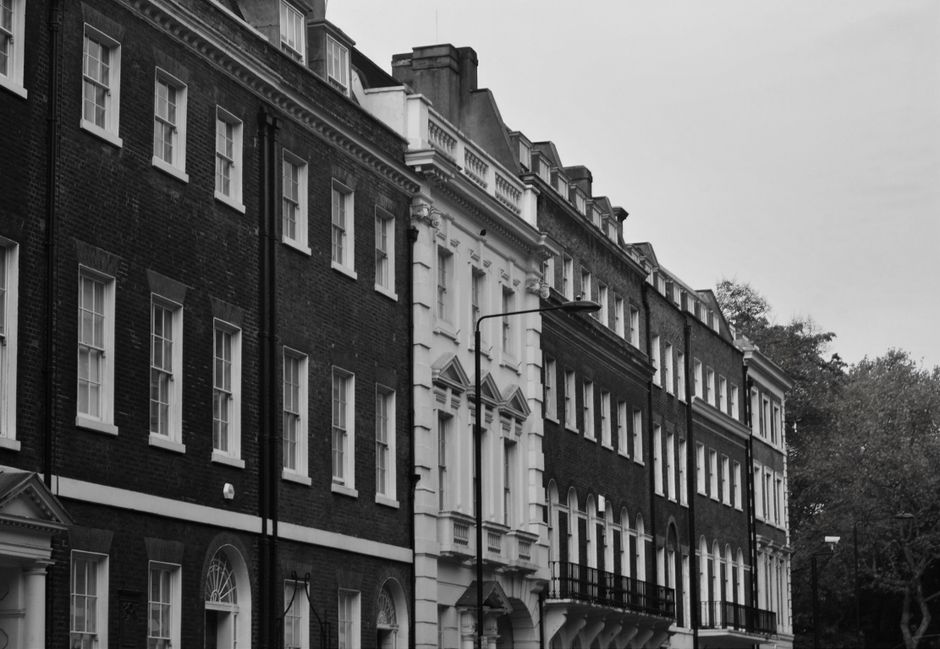
If you live in a Victorian terrace, a converted maisonette, or a handsome old flat along Clapham Road, you already know the furniture has a different kind of character. It creaks a bit, it settles differently, and the upholstery often has a story to tell. That is exactly why Clapham Road upholstery cleaning for period properties SW9 needs a careful, fabric-aware approach rather than a quick blast and hope for the best.
This guide explains what matters, how professional upholstery cleaning works in older homes, and how to avoid the usual mistakes that can cause shrinkage, dye bleed, or flat-out disappointment. You will also find a practical checklist, a method comparison, and a realistic look at when it makes sense to book a specialist service. Let's face it, period homes are lovely, but they can be a little fussy. The good news? Fussy is manageable.
Why Clapham Road upholstery cleaning for period properties SW9 Matters
Period properties tend to have a few quirks that affect upholstery care. The rooms may be draughtier than modern flats, the lighting can hide dust until it builds up, and original features often come with older furniture or inherited pieces that were made long before today's stain-resistant finishes. A quick clean might remove surface dirt, but it can also push moisture too deep, disturb delicate fibres, or leave water marks on natural fabrics.
In SW9, many homes around Clapham Road mix old architecture with busy modern life: pets, commuting, family traffic, and the odd takeaway spill on a Sunday night. So the goal is not just to make a sofa look brighter. It is to clean it safely, preserve the fabric, and keep the shape, colour, and texture looking right for the room.
That matters even more in period homes because upholstery often plays a visual role. A faded armchair in a bay window, a linen loveseat, a velvet footstool, or a well-loved dining chair set can be part of the property's charm. Treat it badly and the whole room can feel tired. Treat it well and it lifts everything.
Expert summary: In older homes, upholstery cleaning should be gentle, measured, and fabric-led. The best results usually come from testing first, controlling moisture carefully, and choosing the right method for the textile rather than the toughest-looking one.
If you are already looking into broader home care, it can be useful to pair upholstery work with deep cleaning or domestic cleaning so dust, skirting buildup, and high-touch areas do not undo the finish.
How Clapham Road upholstery cleaning for period properties SW9 Works
Good upholstery cleaning is part inspection, part chemistry, part patience. That sounds a bit formal, but it is true. Before anything is sprayed or extracted, a cleaner should identify the fabric type, the construction of the item, the level of soiling, and the likely risk areas. A 1930s armchair with synthetic blend fabric behaves very differently from a silk-touch drape chair or an old wool mix seat pad.
The process usually starts with dry soil removal. This means vacuuming thoroughly with the correct attachment so loose grit, crumbs, pet hair, and dust are lifted first. That step is more important than people think. If you skip it, you can turn dust into mud during the wet stage. Not ideal. In period homes, where decorative trims and piping can trap dirt, a careful vacuum is half the battle.
Next comes spot testing. A professional will check how the fabric reacts to a chosen solution in a hidden area. This is especially important for older upholstery because dyes may be less stable, previous cleaners may have left residues, and natural fibres can respond unpredictably to water and pH changes.
Then comes the actual clean. Depending on the upholstery, that may involve low-moisture cleaning, hot water extraction on suitable fabrics, or specialised shampooing and agitation with soft brushes. The cleaner will usually work in sections, controlling dwell time and moisture so the fabric is not over-wet. In a period home, that control is everything.
Drying is the final stage, and it deserves attention. A sofa that still feels damp in the seat cushions at 7pm may be fine if it was cleaned at 10am, but if the room is cool, the windows are shut, and there is little airflow, drying slows right down. Air movement helps. So does sensible scheduling.
If your furniture is part of a wider refresh, you might also think about curtain cleaning, rug cleaning, or even sofa cleaning alongside the upholstery work, especially in living rooms that gather dust quickly.
Key Benefits and Practical Advantages
There are obvious benefits, of course: cleaner fabric, fresher seating, and a more pleasant smell when you walk into the room. But the deeper value goes beyond appearance.
- Better fabric life: removing grit and body oils helps reduce wear on fibres, especially around armrests and seat fronts.
- Improved indoor freshness: dust, pet odours, and stale smells are reduced rather than masked.
- Better presentation: period rooms tend to look sharper when seating is clean and balanced with the rest of the decor.
- More comfortable living: honestly, a clean armchair just feels nicer on a quiet evening with a book.
- Protection for heritage-feel interiors: you preserve the character of the room instead of replacing furniture too soon.
There is also a practical upside if you rent out a period property, host guests, or manage a house with frequent visitors. Clean upholstery reduces the chance of awkward comments, unexpected smells, and that slightly embarrassing "it looks lovely but..." moment.
For landlords, hosts, or busy households, the wider service mix can matter too. A single visit that includes move-in cleaning, move-out cleaning, or end of tenancy cleaning can make the whole property feel properly reset.
Who This Is For and When It Makes Sense
This kind of cleaning is not only for antique owners with immaculate drawing rooms. It makes sense for a lot of people in SW9.
- Homeowners in period flats or terraces: especially if furniture is built into the room's look and feel.
- Landlords and letting agents: where sofa and chair condition affects presentation and tenant satisfaction.
- Families with children or pets: because spills, fur, and everyday grime build up very quickly.
- Anyone dealing with odours or spots: wine, coffee, pet accidents, and food spills are common reasons to act sooner.
- People restoring a room: a cleaned sofa can make old flooring, fresh paint, and restored joinery feel complete.
It is usually worth booking when fabrics look dull, smell stale, or show localised staining that household products have not shifted. If the item is delicate, valuable, or sentimentally important, that is a strong sign to get it assessed before trying anything at home. Truth be told, "I'll just dab it" can go wrong fast.
In some properties, upholstery cleaning is part of a wider turnover. That might include one-off cleaning, regular cleaning, or a full house cleaning visit depending on how much use the property gets.
Step-by-Step Guidance
If you want a realistic picture of how a proper clean should unfold, this is the sequence to expect.
- Initial inspection: the cleaner identifies fabric type, trim details, stains, wear points, and any previous damage.
- Dry vacuuming: loose dust and grit are removed with careful attachment work.
- Spot test: a solution is tested in a hidden patch to check colour stability and fabric response.
- Pre-treatment: light stain or soil treatment is applied where appropriate, using a product suitable for the fabric.
- Main clean: the chosen method is carried out with controlled moisture and gentle agitation.
- Detail work: edges, buttons, piping, and seams are checked and finished by hand.
- Rinse or residue control: if needed, the fabric is balanced to reduce sticky residue that attracts dirt.
- Drying support: air movement, open windows if appropriate, and sensible aftercare all help.
- Final check: the cleaner reviews appearance, dryness, and any remaining spots.
A small but useful point: if a stain is old, it may lighten rather than vanish completely. That is normal. Not every mark is a miracle case, and anyone promising miracle results without seeing the fabric first should raise an eyebrow.
If the upholstery is part of a larger home refresh, you may also want to schedule mattress cleaning or pet stain odour removal at the same time, especially where smells seem to travel through the property.
Expert Tips for Better Results
Here are the little things that make a surprisingly big difference.
- Ask about fabric identification first. Cotton, wool, linen blends, velvet, and synthetic fibres all need different handling.
- Clear loose cushions and throws. It sounds obvious, but people forget, then wonder why the cleaner is shuffling cushions around like a magician with a deadline.
- Control the room temperature. Period properties can be cool and draughty, so a bit of heating and airflow helps drying.
- Don't over-wet foam-filled furniture. Internal padding can hold moisture long after the surface looks dry.
- Use protectors carefully. They are not a substitute for proper cleaning, but they can slow down future staining on suitable fabrics.
- Think in zones. Armrests, headrests, seat fronts, and scatter cushions usually need more attention than the rest.
One useful habit is to clean before a fabric looks "really dirty." Once grime settles into the weave, you need more intervention to lift it. It is a bit like window cleaning in that way; wait too long and the job gets more stubborn than it needed to be. You can see how services like window cleaning or carpet cleaning often go hand in hand with upholstery care in older homes.
Common Mistakes to Avoid
A lot of upholstery damage comes from good intentions. That is the annoying part.
- Using too much water: causes long drying times, tide marks, and possible shrinkage.
- Rubbing stains aggressively: this can spread the mark and roughen the pile or weave.
- Using supermarket sprays on delicate fabric: some products leave residue or react badly with dyes.
- Ignoring hidden test spots: one small test can save a very expensive mistake.
- Cleaning without vacuuming first: grit becomes sludge and the result looks patchy.
- Leaving cushions in place while drying: trapped moisture can create odours or mould risk.
- Assuming all velvet is the same: it is not, and it really is not.
There is also a temptation to clean only the visible stain. In period homes, that often leaves a halo effect because the surrounding fabric is still dirty. A more even clean usually looks better, even if the stain itself has not completely disappeared.
Tools, Resources and Recommendations
Without turning this into a shopping list, it helps to know what a careful cleaner tends to use.
- Professional upholstery vacuum attachments: for seams, buttons, and delicate surfaces.
- Fabric-safe cleaning solutions: chosen according to the fibre and soil type.
- Soft hand brushes: to lift soil without damaging the weave.
- Microfibre cloths: useful for controlled blotting and finishing.
- Air movers or fans: helpful where drying is slow.
- Spotting tools: for targeted stain work instead of broad spraying.
From a service perspective, it is sensible to work with a company that explains its process clearly and gives realistic expectations. If you are comparing quotes, useful pages like pricing and quotes, payment and security, and insurance and safety can help you judge how the service is structured.
You may also find it helpful to learn more about the team behind the work through about us, especially if you want to understand their approach to local homes and delicate materials.
Law, Compliance, Standards, or Best Practice
Upholstery cleaning is not usually a heavily regulated service in the way some trades are, but best practice still matters. A trustworthy provider should work safely, use products responsibly, and avoid making claims they cannot back up. In practical terms, that means testing fabrics, following sensible manual handling, and keeping chemical use proportionate to the task.
For occupied homes, especially older properties with stairs, narrow hallways, and limited ventilation, health and safety should be taken seriously. Wet floors, trailing hoses, and electrical equipment all need sensible management. If a cleaner works in a live property, they should be careful around residents, pets, and fragile furnishings. It sounds basic, but basic done well is what counts.
It is also wise to choose a company that can explain its policies in plain English. Relevant pages such as health and safety policy, terms and conditions, privacy policy, and complaints procedure show how the business handles customer care and operational standards.
For period properties, best practice also means respecting the home itself. Old joinery, original flooring, and decorative plaster can all be sensitive to overspray or careless movement. A careful cleaner should adapt to the building, not the other way around.
Options, Methods, or Comparison Table
Not every fabric needs the same method. Here is a straightforward comparison to help you understand the usual options.
| Method | Best for | Main advantage | Potential downside |
|---|---|---|---|
| Low-moisture cleaning | Delicate fabrics, period furniture, faster turnaround needs | Less water, lower drying risk | May not suit heavy soiling on every fabric |
| Hot water extraction | Robust synthetic or blend upholstery | Deep soil removal | Can over-wet unsuitable materials if used carelessly |
| Foam or shampoo cleaning | Selected decorative upholstery and spot work | Good controlled surface cleaning | Residue can be an issue if not rinsed or balanced properly |
| Hand cleaning and spot treatment | Small marks, trims, delicate sections | Highly targeted and cautious | Slower and less suited to full-room restoration |
In real life, the right approach is often a mix. For example, a cleaner may vacuum thoroughly, treat the stained armrests by hand, and use a low-moisture process across the main body of the sofa. That balanced approach is often the safest choice in a period property.
Case Study or Real-World Example
Picture a first-floor flat off Clapham Road with tall windows, a slightly chilly front room, and a well-used three-seater sofa that had seen years of tea cups, cat naps, and general family life. The fabric looked tired rather than filthy. The owner thought the colour had simply aged. After inspection, it turned out the sofa had a build-up of dust, body oils, and a few old spill marks that had blended into the weave.
The cleaner started with a careful dry vacuum, then tested a solution in a hidden seam. One arm panel reacted well, but a cushion edge needed a lighter touch. The main body was cleaned in sections, with extra care around piping and the lower skirt. Because the room was cool, drying support mattered. Windows were cracked open for airflow, and the cushions were separated so moisture did not linger in the centre.
The result was not a dramatic "new sofa" transformation. That would be unrealistic. But the upholstery looked brighter, smelled fresher, and sat more neatly in the room. The owner described it as "looking like itself again," which is honestly the best outcome in a period home. Not flashy. Just right.
Practical Checklist
Use this before booking or before a cleaner arrives.
- Identify the main fabric type if you can.
- Check for loose seams, weak stitching, or faded patches.
- Point out every stain, even the small ones.
- Ask whether a test patch will be done first.
- Move fragile ornaments away from the work area.
- Clear cushions, throws, and small items from the furniture.
- Make sure there is access for equipment and enough room to work.
- Plan for drying time, especially in a cooler period property.
- Keep pets and children away until the fabric is dry.
- Ask for aftercare advice before the cleaner leaves.
If you want a broader refresh, combining upholstery with steam carpet cleaning, stain removal, or regular cleaning can make the whole place feel more settled and easier to maintain.
Conclusion
Clapham Road upholstery cleaning for period properties SW9 is really about care, restraint, and good judgement. Older homes deserve more than a one-size-fits-all treatment, and the right cleaning method can protect the fabric while keeping the room looking warm, elegant, and lived in.
Whether you are freshening up a favourite armchair, preparing a property for guests, or dealing with a stubborn stain that has outstayed its welcome, the best results usually come from understanding the material first and cleaning it gently but properly. That may sound simple, but simple done well is a skill.
Get a free quote today and see how much you can save.
And if all you do next is check the fabric tags and open a window before the sofa dries, that is already a good start. Small steps, properly taken, make the old places feel loved again.
Frequently Asked Questions
Is upholstery cleaning safe for period property furniture?
Yes, if the fabric is identified correctly and the right method is used. Period property furniture often benefits from lower-moisture cleaning and careful testing before any full treatment begins.
How often should upholstery be cleaned in a SW9 period home?
It depends on use. Busy family homes, pet households, and rental properties usually need attention more often than quiet rooms used only occasionally. Many people book when the fabric looks dull or starts to hold odours.
Will cleaning remove old stains completely?
Not always. Some marks lighten significantly, while others may only improve. Age, fabric type, previous cleaning attempts, and how long the stain has set all affect the outcome.
Can velvet upholstery be cleaned safely?
Often yes, but velvet needs a careful approach. The cleaner should check the pile direction, colour stability, and the exact fibre before deciding on the method.
Why does upholstery sometimes dry with marks?
Water marks, tide lines, or patchy drying can happen if the fabric is over-wet, poorly rinsed, or dried unevenly. Good airflow and controlled application help prevent this.
Should I clean the sofa myself or book a professional?
Light surface cleaning can sometimes be done at home, but delicate fabrics, older upholstery, and stubborn stains are better handled professionally. It is the safer choice most of the time.
Can pet odours be removed from upholstery?
Often they can be reduced a great deal, especially if the odour is from surface contamination. Deep-set smells may need specialist treatment and, in some cases, repeat work.
Do I need to move the furniture before the cleaner arrives?
Usually not completely. A little access helps, but the cleaner will typically advise what to move and what can stay in place. Clearing fragile items is the main thing.
How long does upholstery take to dry in a period property?
Drying time varies with fabric, room temperature, humidity, and airflow. Older homes can be cooler and slower to dry, so it is sensible to allow extra time.
Can upholstery cleaning help if my room smells dusty or stale?
Yes, especially if the smell is coming from settled dust, body oils, or trapped particles in the fibres. Clean upholstery can make a room feel noticeably fresher.
What should I ask before booking upholstery cleaning?
Ask about fabric testing, cleaning method, drying expectations, insurance, and aftercare. A straightforward explanation is usually a good sign you are dealing with a careful operator.
Is upholstery cleaning useful before renting out a period flat?
Absolutely. Fresh upholstery helps the property present well, which can make the space feel looked after and easier for new occupants to settle into.