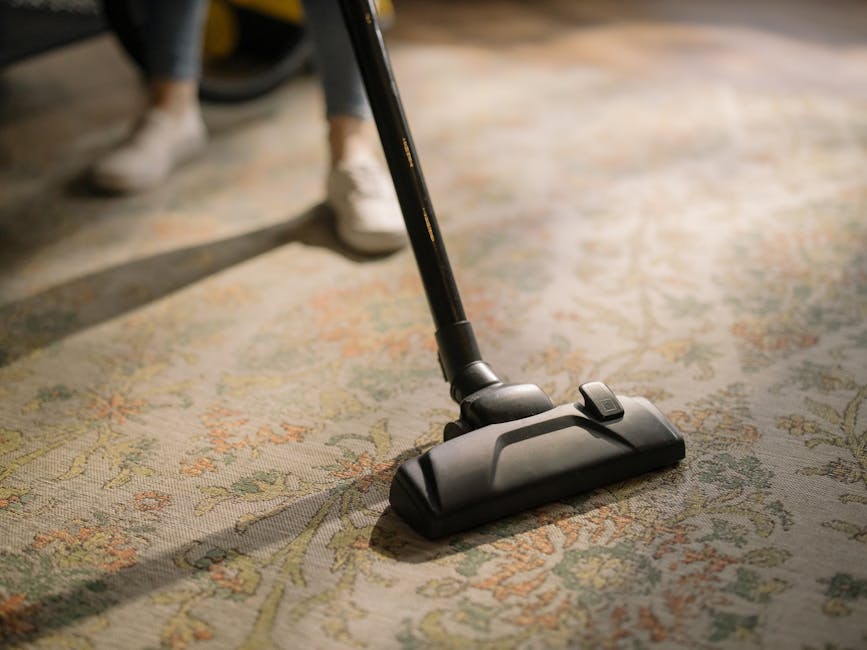
Stockwell Park Estate carpet cleaning guide SW9 tips
If you live on or near Stockwell Park Estate, you already know carpets take a beating in ways you do not always notice at first. Street dust, shoes at the front door, pet hair, a spilled tea after a long day, and the odd muddy footprint after a wet London morning all build up quietly. This Stockwell Park Estate carpet cleaning guide SW9 tips is here to make the whole thing simpler, safer, and a lot less guesswork-heavy.
Whether you are trying to freshen up a family home, get rental carpets back into decent shape, or decide if professional cleaning is worth it, this guide walks through the practical stuff: how carpet cleaning works, what to avoid, which method suits which problem, and how to get better results without over-wetting the pile or making a stain worse. Truth be told, that last part is where a lot of DIY attempts go sideways.
For readers who want a broader service overview while comparing options, it can also help to look at the site's carpet cleaning service and the more targeted stain removal support pages. If odours are the main issue, pet stain and odour removal is often the more sensible route.
Table of Contents
- Why Stockwell Park Estate carpet cleaning guide SW9 tips Matters
- How Stockwell Park Estate carpet cleaning guide SW9 tips Works
- Key Benefits and Practical Advantages
- Who This Is For and When It Makes Sense
- Step-by-Step Guidance
- Expert Tips for Better Results
- Common Mistakes to Avoid
- Tools, Resources and Recommendations
- Law, Compliance, Standards, or Best Practice
- Options, Methods, or Comparison Table
- Case Study or Real-World Example
- Practical Checklist
- Conclusion
- Frequently Asked Questions
Why Stockwell Park Estate carpet cleaning guide SW9 tips Matters
Carpet cleaning sounds straightforward until you are staring at a traffic lane down the hallway, a mystery stain in the living room, or a damp patch that still smells faintly musty two days later. On estates and in flats especially, carpets tend to see more concentrated wear in entrance areas, around sofas, and near shared walkways. Small spaces can make dust and odours feel bigger too. You notice it. Guests notice it. And, if you are renting, an agent may notice it very quickly.
What makes this guide useful is that it is not just about making carpet fibres look brighter. It is about protecting the carpet structure, reducing allergens and odours, and choosing a cleaning method that suits the material, the stain, and the pace of the household. That matters if you have children crawling across the floor, pets leaving little surprises, or a tenancy deadline looming. It also matters if you simply want the place to feel calmer. A clean carpet changes the room more than people expect.
There is another local angle here too. SW9 homes vary a lot in layout and age. Some carpets are modern synthetic blends; others are older wool mixes that need a gentler touch. One-size-fits-all advice can be a bit misleading. Let's be honest, the wrong shampoo in the wrong hands can leave residue, attract dirt faster, and create more work later.
How Stockwell Park Estate carpet cleaning guide SW9 tips Works
Good carpet cleaning follows a simple logic: remove loose dirt first, loosen embedded soil, extract it safely, and then dry the carpet quickly enough to avoid lingering moisture. The exact method depends on the fibres and the problem.
In practice, a decent clean usually includes these stages:
- Inspection - Check fibre type, backing, stains, wear patterns, and any colour sensitivity.
- Vacuuming - Remove grit and dry soil before any wet treatment. This step is easy to rush, but it matters more than most people think.
- Pre-treatment - Apply suitable solutions to high-traffic areas and stains so they lift more evenly.
- Agitation - Light brushing or controlled action helps cleaning solution reach the fibre base.
- Extraction or rinse - Pull dirt and solution back out of the carpet.
- Drying - Encourage airflow and prevent over-wetting, which is where sour smells can start.
- Final grooming - Reset pile direction for a cleaner finish and more even appearance.
That sounds neat on paper. Real carpets are a bit messier. A red wine splash from last Friday behaves differently from ground-in hallway grit, and a pet accident is its own category altogether. Steam carpet cleaning is often the strongest all-round option for deeper soil removal, which is why many households and landlords lean toward it. If you want to compare that method more closely, the site's steam carpet cleaning page is a useful reference point.
Key Benefits and Practical Advantages
The obvious benefit is a cleaner carpet. Fine. But there is more to it than that.
- Better appearance - Colours look less tired, and the whole room feels brighter.
- Improved hygiene - Dust, skin flakes, pollen, and general grime are reduced.
- Odour control - A proper clean helps tackle smells rather than masking them for a day or two.
- Longer carpet life - Grit acts like sandpaper. Removing it helps reduce fibre wear.
- Better first impressions - Handy for guests, inspections, and end-of-tenancy checks.
- More comfortable living - Soft flooring simply feels nicer underfoot when it is fresh.
There is also a practical household benefit many people overlook: cleaning can reveal hidden issues. A stain that looked harmless may be a spill that has reached the underlay, or a dark patch may show a recurring leak. Better to know than not know. A slightly awkward discovery, yes, but useful.
If your carpet is part of a larger refresh, pair it with relevant tasks. For example, move furniture, vacuum soft furnishings, and think about upholstery cleaning or sofa cleaning if fabric seating is carrying the same dust and odour load. Rooms look cleaner when the whole fabric set is treated together.
Who This Is For and When It Makes Sense
This guide is for anyone in SW9 who wants a realistic, no-nonsense way to deal with carpets. That includes:
- homeowners who want a fresher-looking living space
- tenants preparing for check-out or moving day
- landlords trying to keep a property presentable between lets
- family households with heavy foot traffic
- pet owners dealing with fur, smells, and the occasional accident
- small businesses or office managers with carpeted floors
It makes sense to clean carpets when you notice dullness, a stale smell, visible marks, or a traffic pattern that is starting to look permanent. It also makes sense after certain events: post-renovation dust, a burst of wet weather tracked in through repeated entries, or an extended period of guests and visitors. If the place has just gone through building work, you may also want to look at after builders cleaning, because fine dust behaves like it has a personal vendetta.
For shared buildings, communal corridors and entrance areas can drag dirt back into flats. In those cases, communal area cleaning can be relevant too. It is not glamorous, but it does stop the same soil being carried in again the next day.
Step-by-Step Guidance
If you want a solid result, follow a process. Skipping steps is what usually creates patchiness, residue, or that annoying one-section-is-drier-than-the-rest look.
1. Identify the carpet type
Wool, wool blends, nylon, polypropylene, and other synthetic fibres all behave differently. Wool usually needs more caution with heat and moisture. Synthetic carpets are often more forgiving, but not immune to damage. If you are unsure, test any product in a tucked-away corner first. Nothing dramatic, just a small check. It can save a lot of hassle.
2. Vacuum thoroughly
Vacuum more than once if the carpet is heavy with dust or pet hair. The first pass lifts surface debris; the second pass gets deeper particles. Pay attention to edges, corners, and under radiator pipes where grit often hides. You will notice the difference before you even wash anything.
3. Spot-treat stains carefully
Use the mildest effective approach. Blot, do not rub. Rubbing spreads the stain and crushes the pile. For a fresh spill, work from the outside in. For old marks, a specialist product may be needed. If the stain is coloured, greasy, or protein-based, the method changes. That is why one rule for every stain never works all that well.
4. Apply the right cleaning method
Steam extraction is excellent for deeper cleaning, but low-moisture methods can be useful for faster turnaround or delicate carpets. The trick is not to overdo either one. Too much water is not a victory. It can leave the backing damp, which then slows drying and may cause odours.
5. Rinse and extract properly
Leftover detergent attracts new dirt. That is one of the most common reasons a carpet looks clean for two days and then starts dulling again. A good rinse and strong extraction are worth the effort.
6. Dry the carpet fully
Open windows if weather allows, use fans, and keep traffic light until the carpet is dry. In winter, drying can take longer. On a damp London afternoon, even longer again. It is a bit dull, but patience pays off here.
7. Finish by grooming the pile
Brushing the pile helps the carpet dry evenly and leaves a neater appearance. It also reduces those "cleaned in stripes" marks that nobody wants to see.
Expert Tips for Better Results
There are a few habits that consistently improve results. Small things, but they add up.
- Deal with spills early - Fresh stains are easier to lift than old, set-in marks.
- Use white cloths - They help you see transfer and avoid dye bleed from coloured towels.
- Blot in stages - A quick press, lift, repeat. No frantic scrubbing.
- Lift furniture carefully - Place protectors under legs if items stay in the room during drying.
- Watch the weather - A dry, breezy day is ideal for fast drying.
- Treat odour separately - A clean smell is not the same as no smell. If there is pet odour, a dedicated treatment is often needed.
A useful rule of thumb: if you are unsure whether a mark is a stain or a fibre change, stop and assess. Some discolouration is permanent wear, not soil. Trying harder will not fix fibre damage. Annoying, yes. But better to know what you are dealing with.
For recurring smells or hidden contamination, it can help to combine carpet work with mattress cleaning or the right fabric treatment on nearby furnishings. Odours often travel through a room, not just one surface.
Common Mistakes to Avoid
Most carpet problems come from a few predictable errors. Avoid these and you are already ahead of the game.
- Over-wetting the carpet - This slows drying and can lead to smells.
- Using too much detergent - More product does not mean more clean.
- Scrubbing aggressively - That can damage the pile and spread stains.
- Ignoring fibre type - Wool and synthetics should not be treated the same way.
- Skipping vacuuming - Wet cleaning over loose grit just turns dirt into mud.
- Forgetting to test products - A small patch test is boring, but wise.
- Rushing the drying stage - Damp carpets attract dirt and can feel unpleasant underfoot.
One especially common mistake is trying to fix everything with the strongest product on the shelf. It feels decisive. It is often not. Gentler methods used properly will usually do a better job than an aggressive product used badly.
Tools, Resources and Recommendations
You do not need a van full of equipment to care for carpets properly. A few sensible tools go a long way.
| Tool or resource | What it helps with | Practical note |
|---|---|---|
| Quality vacuum cleaner | Removing dust, grit, and pet hair | Prioritise strong suction and a brush setting that suits carpet pile |
| White microfibre cloths | Blotting spills and checking transfer | Helpful for spotting whether a stain is still lifting |
| Carpet-safe stain remover | Targeted stain treatment | Test first, especially on wool or pale carpets |
| Wet extraction or steam cleaning equipment | Deeper soil removal | Useful when carpets need more than a surface refresh |
| Fans and ventilation | Speeding up drying | Simple, but often the difference between a good result and a soggy one |
| Professional guidance | Matching method to fibre and stain | Worth considering for delicate, expensive, or heavily soiled carpets |
If you want a broader clean beyond carpets, it may help to coordinate with rug cleaning, curtain cleaning, or hard floor cleaning. Rooms often look half-done if only one fabric or floor type gets attention.
For those comparing professional options, the business also sets out useful information on pricing and quotes and insurance and safety, which is sensible reading before you book anything in a hurry.
Law, Compliance, Standards, or Best Practice
Carpet cleaning is usually a straightforward household or commercial service, but there are still a few best-practice points worth keeping in mind. If cleaners are working in homes, flats, or shared buildings, they should act carefully around electrical equipment, wet flooring, and access routes. That is basic, but basic matters.
In the UK, sensible practice usually means:
- using products appropriately and following manufacturer instructions
- avoiding unnecessary water damage risk
- protecting residents, staff, and visitors from slips and trip hazards
- being clear about what kind of clean is being carried out
- handling furnishings and fixtures with care
If you are booking a professional service, it is reasonable to ask about public liability cover, safety procedures, and what happens if a stain does not fully lift. That is not being difficult; it is just good decision-making. You can also review the company's health and safety policy and terms and conditions for a clearer picture of expectations. If you care about how a service handles customer information, the privacy policy is worth a glance too.
For residents in shared blocks, another practical concern is access and communication. Coordinating lift use, drying time, and arrival windows sounds small, but it can make the day run much more smoothly. Not exciting. Just useful.
Options, Methods, or Comparison Table
Different carpet cleaning methods suit different jobs. Here is a simple comparison to help you choose the right direction.
| Method | Best for | Strengths | Watch-outs |
|---|---|---|---|
| Vacuum-only maintenance | Routine upkeep | Fast, low-cost, keeps grit down | Won't remove deeper stains or odours |
| Spot cleaning | Fresh spills and small marks | Targeted and efficient | Easy to spread stains if rushed |
| Low-moisture cleaning | Quick turnaround situations | Less drying time | May not be enough for heavy soil |
| Steam carpet cleaning | Deep dirt, traffic lanes, general refresh | Strong soil removal and good overall reset | Needs proper drying and correct technique |
| Specialist stain or odour treatment | Pet accidents, stubborn marks, smell issues | More focused on the problem | May need more than one visit on older damage |
For many homes in SW9, the best answer is not one method forever. It is maintenance most of the time, then a deeper clean when the carpet starts looking genuinely tired. That is usually the sweet spot.
Case Study or Real-World Example
Here is a realistic situation. A family in a Stockwell Park Estate flat notices the hallway carpet looking darker along the walking line, with a faint stale smell near the front door. Nothing dramatic, just enough to make the space feel off. They vacuum regularly, but the carpet still looks flat by the end of the week.
They start by identifying the carpet as a synthetic twist pile, which is fairly forgiving. After a thorough vacuum, they pre-treat the hallway traffic lane and carefully work on a small patch near the entrance where wet shoes have left dirt. The key was not soaking the carpet. They used controlled moisture, extracted properly, then opened windows and used a fan for airflow.
The result was not magic. It still looked like a lived-in flat, because of course it did. But the hallway brightened up, the stale smell reduced, and the carpet no longer felt rough underfoot. The bigger win was that the family could now keep it in shape with regular maintenance rather than waiting for a full reset every time. Small improvement, yes. But one that changes how the home feels.
If that same flat had heavy pet odour or a recurring stain in the same area, a more targeted approach would have been better. For example, the pet stain odour removal service is the kind of option that makes more sense when the problem is not just surface dirt.
Practical Checklist
Use this before you clean, whether you are doing it yourself or booking help.
- Identify the carpet fibre type if you can
- Vacuum thoroughly, including edges and corners
- Test any product on a hidden area first
- Blot stains instead of rubbing them
- Use the least aggressive method that will do the job
- Avoid over-wetting the carpet
- Rinse or extract properly to reduce residue
- Open windows or use fans to speed drying
- Keep foot traffic light until the carpet is fully dry
- Check whether nearby fabrics or rugs need attention too
Quick expert summary: the best carpet cleaning results usually come from a calm process, not a forceful one. Vacuum properly, treat the right problem with the right method, and dry the carpet well. That is the whole game, really.
Get a free quote today and see how much you can save.
Conclusion
Carpet care on Stockwell Park Estate does not need to be complicated, but it does need to be thoughtful. The difference between a carpet that looks fine and one that feels properly fresh usually comes down to preparation, technique, and drying. If you have ever tried to rush a stain out and ended up with a bigger damp patch, well, you are not alone.
The main takeaway from this Stockwell Park Estate carpet cleaning guide SW9 tips is simple: choose the lightest effective method, treat stains quickly, and think about the whole room rather than one mark in isolation. A clean carpet lifts the rest of the home with it. And on a grey afternoon in SW9, that small lift can feel surprisingly good.
For a service that fits your home, your schedule, and the type of carpet you actually have, use the information above, ask sensible questions, and trust the process. A bit of care goes a long way, honestly.
Frequently Asked Questions
How often should carpets on Stockwell Park Estate be cleaned?
It depends on foot traffic, pets, children, and whether the carpet is in a hallway, lounge, or bedroom. Busy areas usually need deeper cleaning more often than low-use rooms. A steady vacuuming routine helps stretch the time between professional cleans.
Is steam carpet cleaning safe for all carpets?
Not always. Steam cleaning is suitable for many modern carpets, but some wool or delicate fibres need a gentler method. The key is checking the carpet type first and using controlled moisture rather than guessing.
What is the best way to remove an old stain?
Start with a patch test and use the mildest treatment that may work. Old stains often need pre-treatment, careful agitation, and proper extraction. If the mark has set deeply, specialist stain removal is usually the better route.
Why does my carpet smell worse after cleaning?
That usually points to too much moisture, insufficient extraction, or contamination below the surface. Sometimes the smell was already there, just hidden by dust. Proper drying and the right treatment are essential.
Can I clean a wool carpet myself?
You can do basic vacuuming and careful spot treatment, but wool is less forgiving than synthetic carpet. Use gentle products, avoid excess water, and test in a hidden corner first. If you are unsure, it may be safer to book help.
How long does carpet drying usually take?
Drying time varies depending on the cleaning method, room ventilation, carpet thickness, and weather. A well-extracted carpet with good airflow dries much faster than one that has been soaked. In damp weather, it can take longer than you expect.
Should I move furniture before carpet cleaning?
Yes, where practical. Moving lighter furniture gives better access and helps the clean look more complete. Heavy items can often be worked around, but it is useful to know in advance what will stay put.
Do I need carpet cleaning before moving out?
Often, yes. End-of-tenancy checks usually look closely at carpet condition, especially if there are visible stains or odours. A proper clean can help the property present better and reduce avoidable disputes.
What's the difference between carpet cleaning and stain removal?
Carpet cleaning focuses on the overall carpet condition: dirt, dust, odours, and general freshness. Stain removal is more targeted and deals with specific marks. In many homes, both are needed together.
Can carpet cleaning help with pet odours?
Yes, but only if the treatment reaches the source. Surface cleaning alone may not solve it, especially if the spill has reached the backing or underlay. That is why dedicated pet stain and odour treatment can be worth it.
Is it worth booking professional carpet cleaning for one room?
If the stain is serious, the room gets heavy use, or you are short on time, yes, it can be worth it. One-room jobs are common for hallways, lounges, and bedrooms that need a noticeable refresh without doing the whole property.
How can I keep carpets cleaner for longer?
Vacuum regularly, deal with spills quickly, use mats at entrances, and avoid walking grit through the home. Small habits make a big difference. Honestly, a good doormat can save you a lot of grief.
Where can I learn more about the company and its policies?
You can read more on the site's about us page, and if you have questions about service experience or a concern after booking, the complaints procedure is there for clarity. It is always better when expectations are clear from the start.
What should I do next if I want help with my carpet?
Start by identifying the problem: general dirt, a specific stain, pet odour, or a full refresh. Then compare the relevant service information and decide whether the job looks like a quick clean or a deeper intervention. If in doubt, getting advice first is usually the least stressful option.